


How to Create a Minimalist and Functional Kitchen in Australia
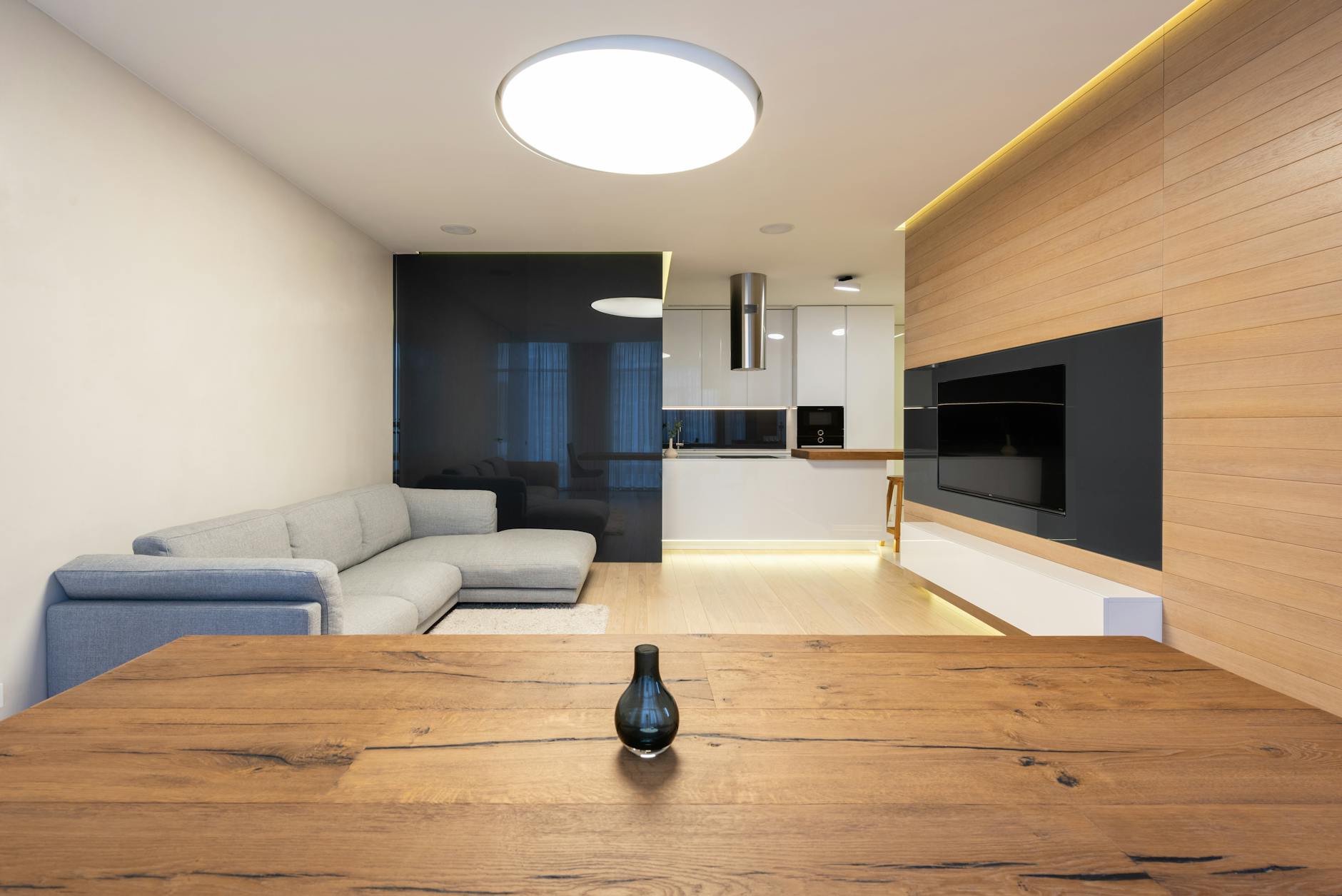
Designing a Minimalist Kitchen
Reducing clutter and embracing simplicity have always been at the heart of designing a minimalist kitchen. It’s about creating a space that is both functional and calming. I remember working on a kitchen near the National Gallery of Victoria where we aimed to seamlessly integrate sustainability with sleek design.
Space Optimization Techniques
Efficiency is key. To make the most of available space, consider using floating shelves and wall-mounted storage systems. These not only preserve floor space but also provide easy access to frequently used items. I recommend built-in pantry cabinets with pull-out storage options to keep everything neatly organized. From my experience, using a clothes dryer efficiently can be challenging in confined spaces, but opting for a combo washer-dryer can help maintain that minimalist vibe.
Essential Layout Configurations
The layout of your minimalist kitchen plays a crucial role in fostering a functional environment. The classic triangle layout—stove, sink, fridge—is always a winner. Other configurations like the galley and L-shaped kitchens are also efficient for smaller areas. A westinghouse fridge, with its energy-efficient attributes and sleek design, fits perfectly into any of these layouts, adding to the aesthetics without compromising utility.
Maximizing Natural Light
Natural light does wonders in enhancing the minimalist appeal of a kitchen. Open up spaces by installing larger windows or opt for skylights where feasible. Reflective surfaces, such as glossy tiles or countertops, can further amplify the available light. I've seen kitchens transform into vibrant spaces just by strategically placing microwaves near light sources to keep countertops uncluttered, showcasing the kitchen's striking simplicity.
Selecting Energy-Efficient Appliances
Embracing energy-efficient appliances not only aligns with an eco-conscious lifestyle but also enhances the functionality of your kitchen. One standout choice is induction cooktops. Known for their speed and efficiency, they heat quicker and only the pot, minimizing wasted energy. I recall integrating an induction cooktop into a project at a Fitzroy creative hub, where it beautifully complemented a modern aesthetic while supporting sustainability goals.
Water systems like the zip tap are gaining popularity in many contemporary kitchens. Carving out a space-saving solution, these taps dispense boiling, chilled, and sparkling water instantly, which is particularly useful for those aiming to minimize energy consumption while maintaining convenience. Plus, it reduces the need for bottled water, cutting down on plastic waste.
Incorporating bar fridges below your countertops is a nifty way to maximize storage and accessibility. Opt for a model with a high energy rating—often indicated by a star system—to ensure that even the additional cold storage is aligned with your sustainability standards.
By selecting these appliances, you're investing in a kitchen that upholds sustainability principles without compromising on modern design aesthetics.
Selecting Energy-Efficient Appliances
Exploring the arsenal of energy-efficient appliances can be akin to a treasure hunt in the creative hubs of Fitzroy. It’s a rewarding experience, revealing innovative solutions that blend style and sustainability. When I embarked on a kitchen redesign project for a client keen on adopting eco-friendly measures, we zeroed in on an appliance often overlooked: chest freezers. These units, ideal for reducing food wastage, offer an energy-efficient option while providing additional storage space. It's fascinating how they can be seamlessly integrated into the kitchen without compromising aesthetic appeal.
Speaking of refrigeration, selecting the right fridge can significantly influence your kitchen's energy efficiency. I recall working on a heritage home, where the challenge was to balance energy efficiency with design elements that complemented the period features, much like the vibrant architecture around Federation Square. By opting for models with high energy ratings, my client was not only contributing to reduced carbon emissions but also enjoying lower utility bills.
Incorporating these appliances involves understanding their long-term benefits, both financial and environmental, which resonates with the goal of sustainable living. With a nod to Melbourne's commitment to creativity and innovation, embracing these energy-efficient options paves the way for a kitchen design that's both functional and environmentally conscious.
Maintaining Minimalism and Functionality
Regular Decluttering Tips
I’ve found that maintaining a minimalist kitchen is all about consistency and commitment to regular decluttering. It starts with a simple question: When was the last time I used this item? If it hasn’t been touched in months, it’s likely time to let go. Dedicate a monthly schedule to tackle one section of the kitchen at a time, such as drawers or cupboards. Not only does this maintain minimalism, but it also creates a more functional space.
Smart Storage Solutions
In my design projects, especially in areas like Fitzroy’s creative hubs, efficient storage is key. One of my favorites is the integration of vertical storage, perfect for smaller kitchens. Dishwashers with flexible racks and adjustable compartments not only save space but also enhance functionality. Consider pull-out pantries and magnetic strips for knives – simple yet innovative solutions that optimize space without cluttering.
Versatile Multi-Use Tools
Investing in versatile kitchen tools is a solution I often recommend. A Miele Dishwasher does more than just clean dishes; it's an example of integrating multi-functional appliances that combine efficiency with minimalist design. Look for tools that offer multiple functions, like a pot that doubles as a steamer, reducing clutter without sacrificing utility.
Each of these strategies offers simplicity and efficiency, catering to both aesthetic and practical needs in the kitchen. Emphasizing minimalism helps streamline daily tasks while maintaining a neat and appealing environment.
Common Mistakes in Minimalist Design
Over-Personalization Pitfalls
Navigating the delicate dance of minimalist kitchen design can sometimes lead one to the slippery slope of over-personalization. I recall a client from Fitzroy who desired an infusion of their personality in every nook and cranny. While it added a personal touch, it was important to balance it with restraint, ensuring the design remained cohesive and clutter-free. Too many personalized elements can undermine the beauty of simplicity and hinder functionality. Instead, consider incorporating statement art pieces reminiscent of the National Gallery of Victoria – they're a playful nod to creativity without overwhelming the space.
Ignoring Long-Term Durability
In the excitement to embrace trendy designs, we can sometimes sidestep the critical aspect of durability. Quality materials are the backbone of sustainable spaces, as a project I worked on in a modern federation-style home illustrated. When choosing materials, prioritize durability – think solid timber over veneers – to withstand daily wear and tear. Not only does this choice align with eco-conscious values, but it also saves future resources and expense. This discerning approach is akin to appreciating the enduring architecture at Federation Square, where lasting design meets contemporary flair.
Neglecting Ventilation and Flow
A frequent oversight in minimalist kitchens is the neglect of ventilation and the natural flow of space. Proper airflow is essential, especially when working with open-plan layouts common in urban Melbourne apartments. On a project in a creative hub in Fitzroy, we used sleek, retractable kitchen range hoods to maintain both function and aesthetic. Ensuring your kitchen breathes – both in design and air quality – seamlessly integrates the room into the broader living area, creating a harmonious balance that does justice to any minimalist haven.